
第 03 / 08 · 10 分鐘
四花色與元素
用花色找到問題的主要面向,並理解跨花色的同一張數字牌。
四種提問角度
本課採常見 RWS 閱讀對應:權杖/火關注動機與行動;聖杯/水關注感受與連結;寶劍/風關注思考與溝通;星幣/土關注資源、身體與實作。同一件事可以同時需要這四種角度。
例如籌備合作:權杖問「誰願意推進?」;聖杯問「彼此信任嗎?」;寶劍問「責任說清楚了嗎?」;星幣問「時間與預算夠嗎?」花色讓問題更精確。
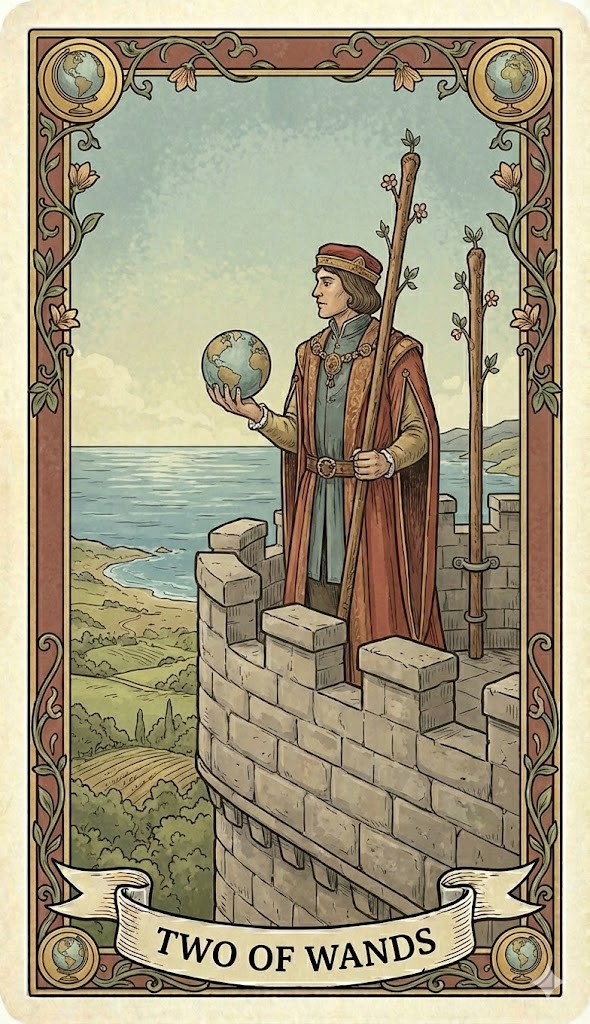
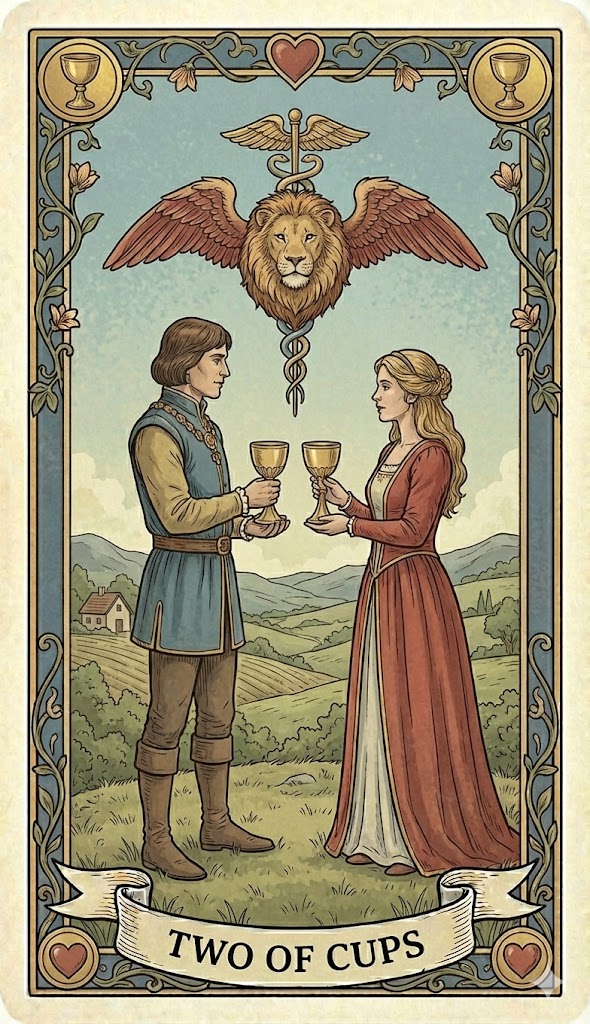
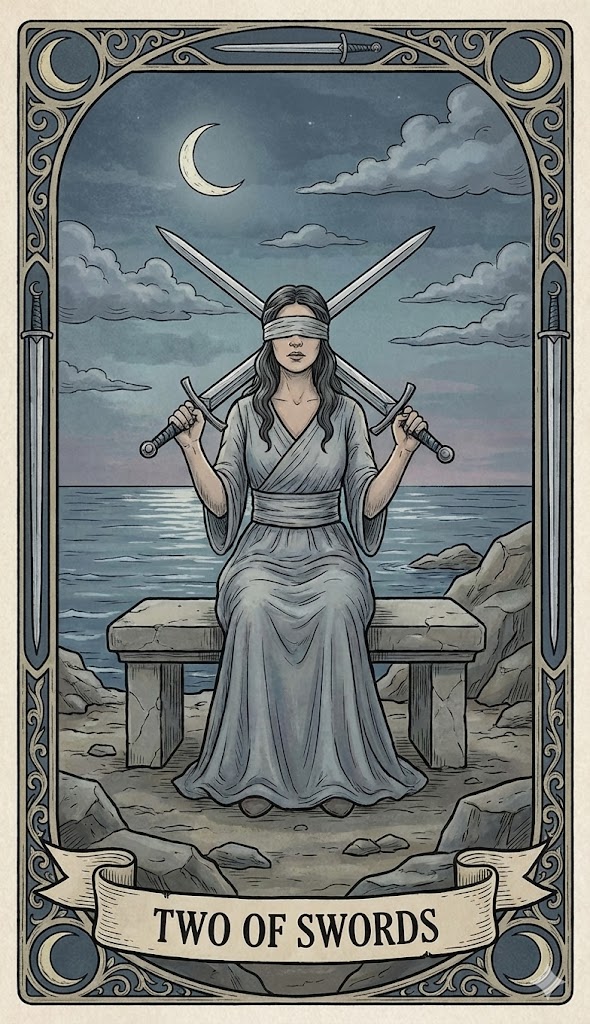
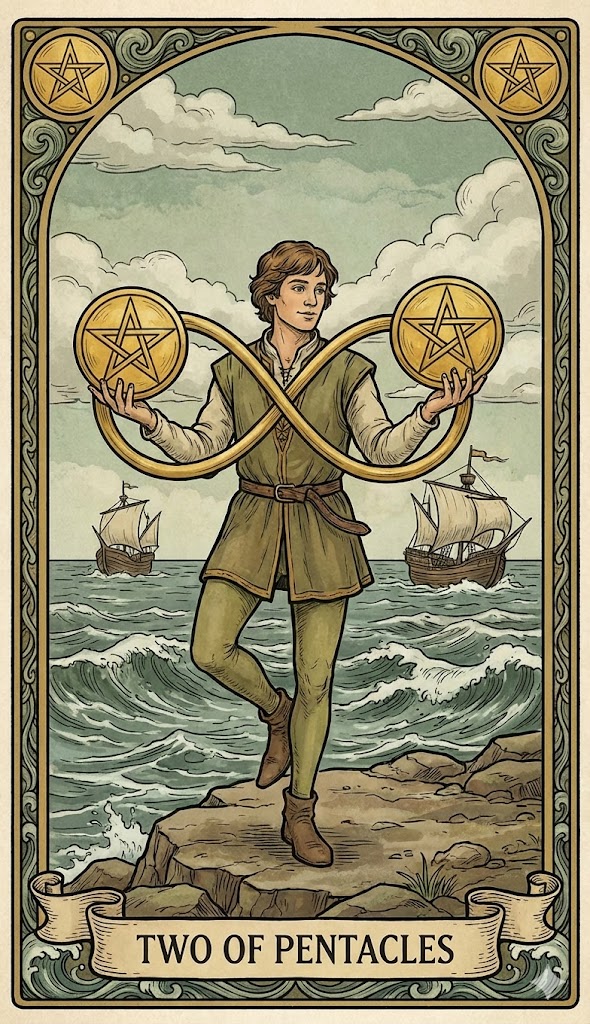
同樣是二,工作卻不同
權杖二向外比較路徑;聖杯二呈現相互交流;寶劍二將張力停在尚未決定的狀態;星幣二則在變動中調度資源。「二」提供關係與平衡的線索,圖像才告訴我們是哪一種平衡。
若牌陣裡寶劍很多,可以先檢查討論、判斷、衝突或擔憂是否佔據主題。缺少聖杯則是一個補問感受的機會,不能直接推成「沒有感情」。
從分類走向整合
先找最突出的面向,再問它需要哪一組花色的支持。很多權杖可能需要星幣的安排才能落實;很多聖杯可能需要寶劍把需求說清楚。這是情境中的閱讀假設,要再回到各張牌確認。
檢查理解
合作案充滿熱情,但一直錯過交付時間,最值得補問哪個面向?
題目已提供熱情,缺的是能承接熱情的安排。這是在用花色補充問題,而不是把人固定分類。
換你試讀
留下你的第一個解讀
LESSON 03 / 08 · 10 MIN
The four suits and elements
Use suits to locate the main dimension of a question and compare the same rank across suits.
Four angles on a question
We use common RWS reading associations: Wands/Fire for motivation and action; Cups/Water for feelings and connection; Swords/Air for thought and communication; Pentacles/Earth for resources, the body and practical work. One situation can involve all four.
For a collaboration, Wands ask who will move it forward; Cups ask about trust; Swords ask whether responsibilities are clear; Pentacles ask about time and budget. Suits make the question more precise.
The same Two has different work to do
The Two of Wands compares paths; the Two of Cups presents exchange; the Two of Swords holds an unresolved choice; the Two of Pentacles adjusts resources under changing demands. Two suggests relationship and balance; the scene tells us which kind.
If Swords dominate a spread, examine discussion, judgment, conflict or worry. Few Cups can invite a question about feelings; their absence alone does not establish that feelings are absent.
Move from classification to integration
Find the dominant dimension, then ask what might support it. Many Wands may need practical Pentacles planning; many Cups may need Swords clarity in expressing needs. These are contextual hypotheses to check against the individual cards.
Check your understanding
A collaboration has enthusiasm but repeatedly misses delivery dates. What deserves a closer look?
Enthusiasm is already present; the question concerns the arrangement that supports it. This uses suits to develop the question rather than classify people.
Your reading